


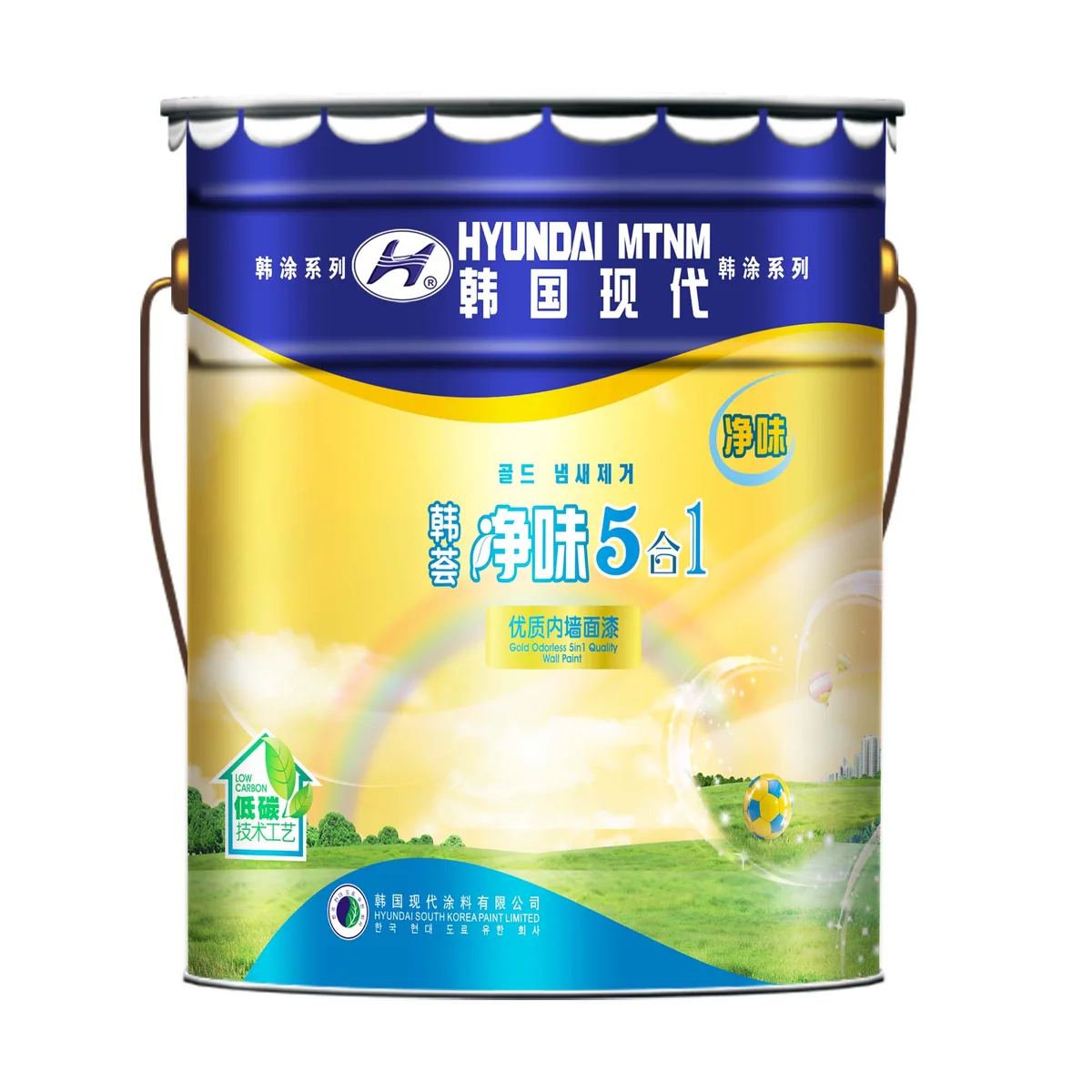
The main application techniques and precautions for environmental latex paint
I. Environmental latex paint should meet the following standards:
The first is the total volatile organic compounds (VOC) of the paint: organic volatile substances pose direct hazards to our environment, society, and human beings.
The second level is solvent toxicity: that is, solvents that can cause diseases upon contact or inhalation by the human body. Toxic solvents pose direct hazards to production and application personnel.
The third level is user safety issues: generally, after the paint dries, its solvents can basically volatilize, but this takes a process, especially for room temperature curing coatings, some solvents volatilize very slowly. Although the amount of these solvents is not large, prolonged contact by users can cause harm to human health if the solvents are toxic. Therefore, the use of toxic solvents must be strictly limited during preparation.
2. Application process of eco-friendly latex paint:
Clean the base layer → Fill with putty, local scraping of putty, sanding flat → First full scraping of putty, sanding flat → Second full scraping of putty, sanding flat → Apply sealing primer → Apply first coat of paint → Re-sand putty, sanding flat → Apply second coat of paint → Sanding and finishing.
Construction Key Points:
Base layer treatment is the key link to ensure construction quality, where ensuring the wall is completely dry is the basic condition, generally should be placed for more than 10 days. The wall must be flat, at least two coats of putty should be applied, meeting the standard requirements. The construction method for applying latex paint can be hand brushing, roller application, and spray application. When applying, continuous and rapid operation should be performed, finishing one coat at a time. The application of latex paint should be even, without missed areas or sagging. Apply one coat and sand one coat. Generally, two coats or more are required.
Notes: