
01
Product Overview
N. Patent No. ZL 2010 1 0616269.4

Formaldehyde decomposition · Air purification · Bacterial inhibition
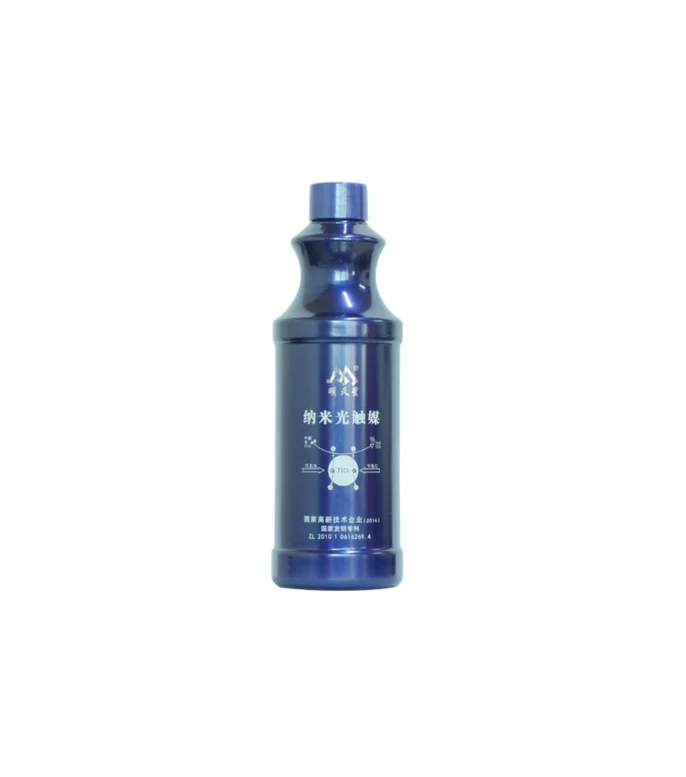 NO. 619
N. Patent No. ZL 2010 1 0616269.4
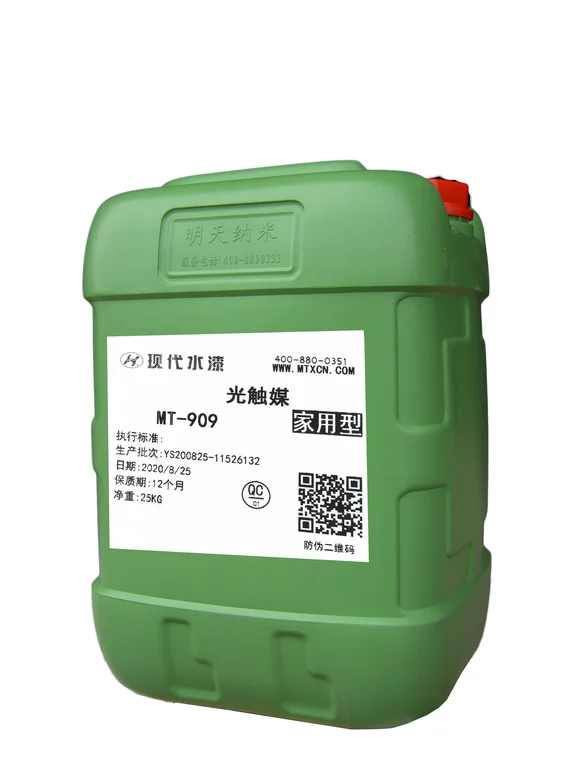
Photocatalyst 500ml / 600ml aerosol can / 25kg; Formaldehyde Remover 500ml / 600ml / 25kg; Odour Remover 900ml; Coconut Shell Activated Carbon 200g–1000g.
Photocatalyst is recommended to be evenly sprayed on wall surfaces and furniture surfaces, forming a transparent coating that continues to function under light; ventilation should be ensured before construction when renovating; in severe cases, multiple re-inspections are advised; for vehicle purification, it can be used in conjunction with activated carbon adsorption.
Remove formaldehyde, purify air, inhibit bacterial growth, and increase negative oxygen ions
N. Patent No. ZL 2010 1 0616269.4
Suitable for air purification indoors and inhibition of bacterial growth on object surfaces.
N. Nano Titanium Dioxide (TiO2), distilled water.
N. Evenly spray on the surfaces of indoor objects, such as walls, wallpaper, curtains, and ceilings; avoid sagging during spraying to prevent streaking.
N. Photocatalyst refers to a general term for light semiconductor materials with photocatalytic functions, represented by nano titanium dioxide. It is an ideal material for treating indoor environmental pollution and increasing the concentration of negative oxygen ions internationally.
N. 10. Nano Titanium Dioxide releases electrons after absorbing light energy. Water molecules in the air capture these electrons to form hydroxyl radicals ( /think
N. -HO), oxygen molecules capture electrons to form negative oxygen ions (O
N. 1. Hydroxyl radicals and negative oxygen ions have strong oxidative decomposition capabilities, capable of oxidizing and decomposing organic compounds in the air into harmless carbon dioxide and water, and can also oxidize and decompose the cell membranes and proteins of pathogens and help inhibit bacterial growth.
N. Store in a light-protected, cool place at 0-40℃.
GB/T 27870-2011
Photocatalyst · Photocatalytic material built on nano titanium dioxide that continuously breaks down formaldehyde and odors and helps inhibit bacteria under visible light — for homes, cars and carpets.
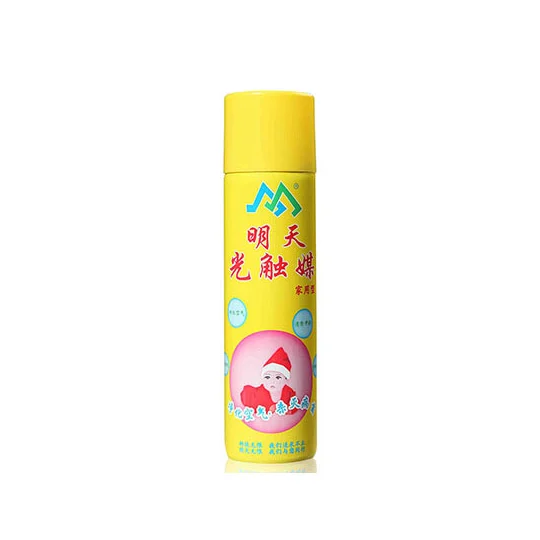 NO. 755
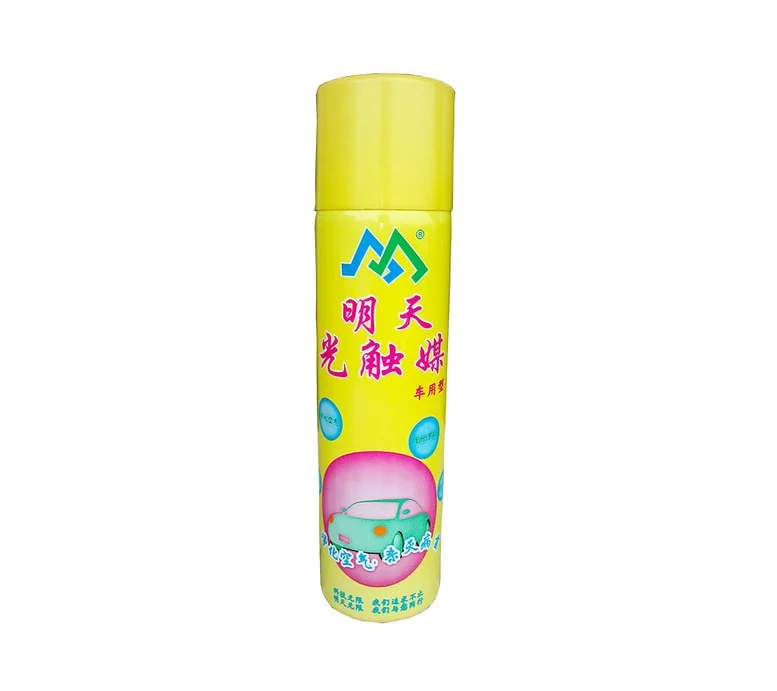 NO. 750
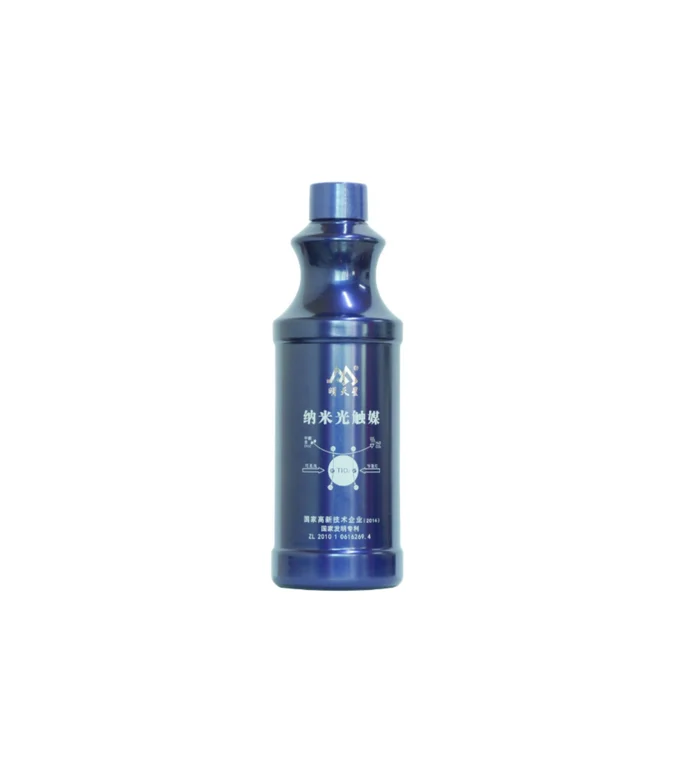 NO. 617
 NO. 752
Tell us the substrate, area and schedule, and our engineers will come back within 48 hours with a coating system.