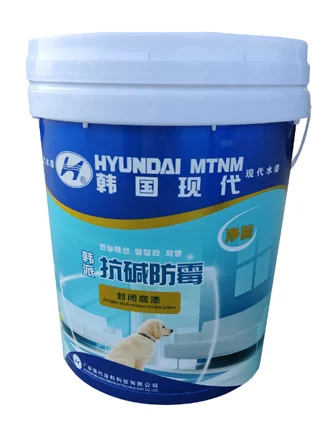
Requirement 1. Before coating, the wall must be stable, flat, dry, clean, and free of dust and oil stains.
N. 3. Humidity must be less than 10%. High humidity will affect the adhesion of the coating film, causing blistering and mottling.
Alkaline substances or salt leaching can cause blistering and mottling of the coating
N. 6. (Concrete and cement mortar are both alkaline).
a. Ensure the wall has sufficient curing time (more than 28 days
N. 9. ), and be fully dry.
N. 1. b. Remove mortar residue and loose material from the surface. Fill holes and cracks with putty to make them flat and ensure thorough drying.
N. 2. c. Use a neutral cleaner or solvent to remove oil stains, then rinse with clean water and dry thoroughly.
N. 3. a. Inspect the wall condition and refer to the new wall treatment method based on different surface defects.
N. 4. b. Remove oil stains and floating dust from the wall.
N. 5. c. Use an anti-mold solution to thoroughly remove mold or moss, then rinse with clean water and dry thoroughly.
N. 6. a. If shrinkage or cracks appear on the wall, use putty to repair and level the surface, then ensure thorough drying.
N. 7. b. If the original coating has good adhesion, clean it thoroughly and apply directly.
N. 8. c. If the old coating film has bubbling, peeling, or cracking, remove it thoroughly, repair and sand it, then clean it thoroughly.
60 minutes/25℃, hard dry: 120 minutes/25℃.
Quantity 1.8-10 m
N. 2/L/Coat
N. (Based on dry film thickness of 30 micrometers)
) 2. Due to construction
Surface condition, dilution ratio, and construction method differences will result in varying actual paint consumption.
N. 2. Do not use with polyurethane or polyester paint at the same time to prevent yellowing of the paint surface.